After the Ambulance Leaves: A Practical Guide to Emergency Department Bills and Financial Help
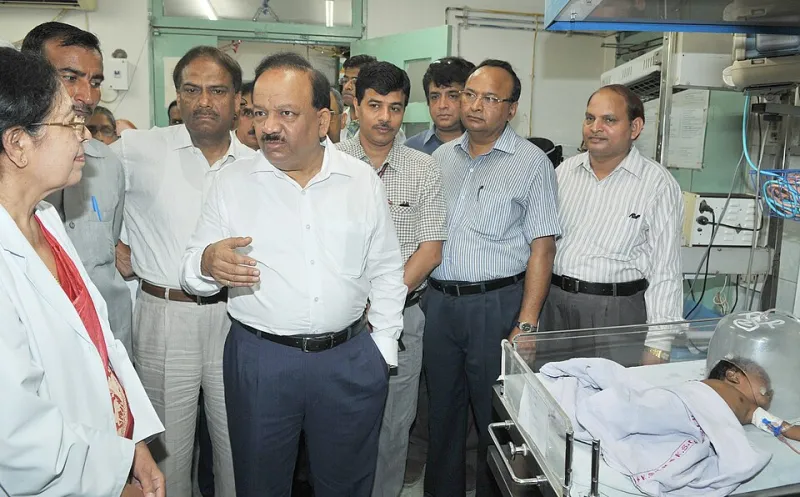
Photo: Ministry of Health and Family Welfare, GODL-India, via Wikimedia Commons
Fear of a large bill should never delay a call to 911. In a true emergency, the first priority is safe, timely care. The financial questions can be addressed afterward, and Bangladeshi families in the United States have more options than they may realize. Emergency department charges are often confusing, but they are not beyond understanding. With patience, documentation, and the right questions, a household can move from anxiety to a workable plan.
Put the Emergency First, Then the Invoice
When someone has chest pain, severe bleeding, difficulty breathing, stroke symptoms, or another urgent sign, call 911 or go to the nearest emergency department. Federal law generally requires Medicare-participating hospitals to provide a medical screening examination and stabilizing treatment for emergency conditions, regardless of insurance status or ability to pay. This is often called the EMTALA obligation. It does not erase a bill, but it reinforces an important point: emergency care should not be refused because of money.
After the immediate danger has passed, ask the hospital for a financial counselor or patient advocate. Many hospitals have staff who help patients understand bills, apply for assistance, and set up payment arrangements. Requesting this help is a normal part of the process, not an admission of failure.
Why One Visit Can Produce Several Bills
An emergency department visit may generate more than one bill. The hospital may bill a facility fee for the use of the emergency department, equipment, and staff. A separate professional fee may come from the emergency physician, and additional bills may come from a radiologist, laboratory, or specialist who reviewed tests. An ambulance service may also bill separately. This is why a family should not assume that the first envelope contains the complete financial picture.
Insurance paperwork adds another layer. An explanation of benefits, or EOB, is not a bill. It shows what the insurer was charged, what it allowed, what it paid, and what the patient may owe. Compare the EOB with the hospital bill. If the numbers do not match, call the number on the insurance card and ask for a clear explanation.
If You Have Insurance
Most insured families still face cost sharing. A deductible, copayment, or coinsurance may apply even when the emergency is covered. The No Surprises Act offers protections for many emergency services, including limits on balance billing for out-of-network emergency care. However, protections do not necessarily eliminate deductibles or coinsurance. Ask the insurer whether the claim was processed as an emergency service and whether any out-of-network charges remain.
If the patient is uninsured, ask the hospital financial counselor about Medicaid or Children's Health Insurance Program eligibility, especially for children and pregnant patients. Some states allow retroactive coverage for certain periods. A hospital counselor may also know about local programs. Do not assume that an application will fail; ask for a screening.
Request an Itemized Statement
A summary bill is not enough for a careful review. Ask for an itemized statement that lists each service, the date, the quantity, and the billing codes. These codes may include CPT or HCPCS codes for professional services and revenue codes for hospital charges. The statement should also show any insurance payments and adjustments.
Review the itemized bill for duplicate charges, incorrect dates, wrong insurance information, or services that were not received. If something is unclear, ask the billing office to explain it in plain language. Keep a written record of each call, including the date, the representative's name, and the reference number. A calm, specific question is more effective than a general complaint.
Ask About Charity Care and Financial Assistance
Many nonprofit hospitals have written financial assistance policies, often called charity care programs. Under federal rules, nonprofit hospitals must generally have a financial assistance policy and make it available to the public. Eligibility usually depends on household income and family size, and some hospitals also consider assets or medical debt. Assistance may cover all or part of a bill.
Ask directly for the hospital's financial assistance policy and charity care application. Ask whether the application can be submitted after care has been provided, what documents are required, and whether there is a deadline. Common documents include proof of income, identification, an address, and insurance information. Keep copies of everything submitted. If the hospital has a presumptive eligibility process, ask whether the family qualifies.
Do not wait until a bill is in collections before asking. If a collection notice arrives while an application is pending, call the hospital and the collection agency in writing to explain the situation and request a pause.
Payment Plans and Negotiation
If the family does not qualify for full charity care, ask about a discounted self-pay rate or an interest-free payment plan. Hospitals often prefer steady monthly payments to unpaid debt, and many are willing to negotiate a realistic amount. Ask for the terms in writing, including the monthly payment, the length of the plan, and whether interest or fees apply.
Be cautious with medical credit cards or loans that offer a low introductory rate. Ask what the rate will be after the promotional period and what happens if a payment is late. Essential expenses such as housing, food, and utilities should remain protected when setting a payment amount.
Use Language and Family Support
Hospitals that receive federal funds are generally expected to provide language assistance, including interpretation. Ask for a Bengali interpreter if that is the preferred language. Do not rely on a child to interpret sensitive financial or medical information. For adult children helping a parent, ask the hospital about a HIPAA authorization or other written permission so staff can discuss the account with the right family member.
Keep a simple folder with insurance cards, identification, income documents, itemized bills, EOBs, and notes from phone calls. A single folder reduces confusion and helps the family speak with the hospital, insurer, and any assistance program from the same set of facts.
When a Bill Seems Wrong
If a charge appears incorrect, dispute it in writing. Ask the insurer to review a denied claim and explain the appeal process. A hospital patient advocate, state consumer assistance program, or community health center may help with paperwork. Do not ignore a court notice or a collection letter; respond promptly and ask for verification of the debt.
The goal is not to avoid responsibility but to ensure that the amount is accurate, that insurance has paid what it should, and that financial assistance has been considered. A large emergency bill can feel frightening, especially for a family navigating a new health system. Still, help often exists in steps: an itemized statement, a financial assistance application, a payment plan, and a clear line of communication. Calling 911 should remain a decision about safety, not a decision about shame.