Building a Better Bhaat: A Bangladeshi Family’s Guide to Balanced Diabetes Meals in the U.S.
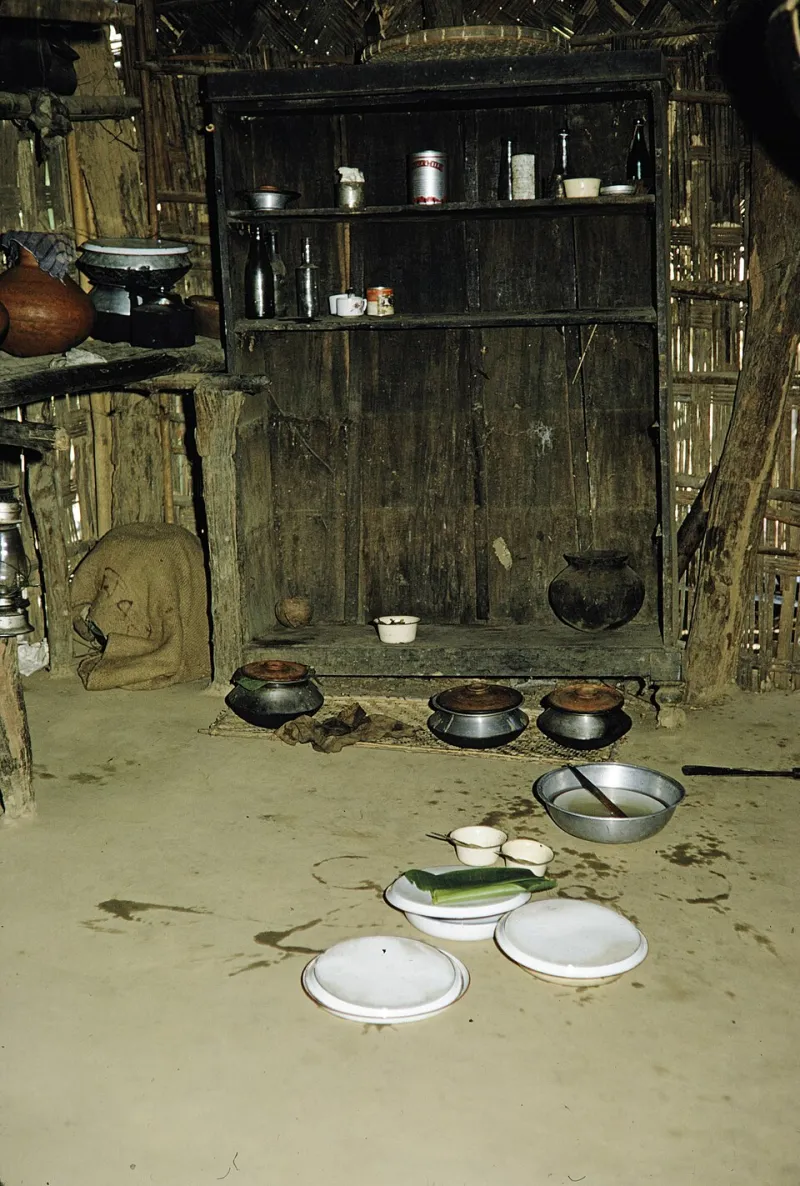
Photo: Creator:Harrison Forman, Public domain, via Wikimedia Commons
A diabetes diagnosis in a Bangladeshi household can feel like a verdict on the family kitchen. Rice is often the center of the plate, dal is comfort, fish is tradition, and tea is hospitality. The good news is that none of these foods must be abandoned. What matters is the pattern: how much, how often, what accompanies them, and how the whole household supports change without turning food into punishment.
This guide is general education, not a personal medical plan. Blood-sugar targets, medicines, and portion sizes should be discussed with a clinician or diabetes educator. The aim here is to make those conversations easier and to translate them into choices that fit American grocery stores and busy family schedules.
Start With the Plate, Not With Fear
A simple plate rule can reduce confusion at dinner. Fill half the plate with non-starchy vegetables, one quarter with protein, and one quarter with carbohydrate foods. For a Bangladeshi meal, that may mean lau, potol, beans, spinach, cabbage, or a mixed vegetable dish taking up more space; fish, egg, chicken, or dal in the protein section; and a measured portion of rice in the carbohydrate section.
Mixed dishes such as khichuri, biryani, and tehari do not fit neatly on a divided plate. In that case, use a bowl method. Serve one measured cup of the mixed dish, add a side of vegetables or salad, and include a clear protein source such as fish, egg, or extra dal. Use smaller plates at home; a nine-inch plate looks fuller than a twelve-inch plate and can quietly reduce portions.
The goal is not to make every meal perfect. It is to make the common meal better most of the time. Dal should stay on the table because it adds protein and fiber. Vegetables should be easy to reach, not a special project. Rice can remain, but it should be measured rather than guessed.
Rethinking Rice Without Giving It Up
Rice is not the enemy. Large, unmeasured portions of rice are the more practical concern. Families can begin by measuring cooked rice with a standard cup for one week to see what a usual serving actually looks like. A person may be used to two or three cups at dinner without realizing it. From there, a clinician or dietitian can help set a portion that fits the person’s medicines, activity, and glucose readings.
Some families find that parboiled rice, brown rice, or a mix of rice and vegetables is helpful, but texture and preference matter. No single rice guarantees good glucose control. What helps is consistency: a measured portion, plenty of vegetables, a protein food, and avoiding repeated refills.
Cooking method also counts. A large serving of oily biryani is different from a small portion of plain rice with fish curry and vegetables. Leftover rice and rice mixed with dal or vegetables may be more filling, but families should not treat any single trick as a cure. The plate as a whole is the priority.
Dal, Fish, and the Protein Advantage
Dal is one of the most useful foods in a Bangladeshi kitchen. It is affordable, familiar, and can stretch across several meals. Pair dal with spinach, bottle gourd, or other vegetables to add fiber. Keep the oil modest and use a nonstick pan or a lid to cook with less fat. Fish is also a strong choice; rohu, tilapia, mackerel, sardines, and canned fish in water can all fit. Baking, grilling, or cooking a lighter curry can reduce oil without removing flavor.
Eggs are a practical protein for breakfast and quick meals. Chicken can be cooked in batches and portioned for the week. Families should watch fried snacks and heavy gravies, not because they are forbidden, but because they add calories and sodium quickly. A palm-sized portion of protein at meals can help reduce the urge to fill up entirely on rice.
Reading Labels in Two Languages
American Nutrition Facts labels can be compared even when the package looks unfamiliar. Look first at the serving size and the number of servings per container. If a family eats two servings, every number doubles. Then check total carbohydrate, dietary fiber, added sugars, and sodium. For diabetes meal planning, total carbohydrate is usually the key number, while fiber and protein can improve fullness.
Imported Bangladeshi or South Asian packages may use different serving sizes, units, or label formats. Compare per 100 grams when possible, or convert the serving size to a familiar measure. A snack that says no added sugar may still be high in carbohydrate. A low-fat yogurt may contain added sugar. Ingredients such as sugar, dextrose, maltodextrin, corn syrup, and fruit concentrate can appear under several names.
At Walmart or Costco, plain yogurt, canned beans, frozen vegetables, oats, eggs, fish, and unsalted nuts are useful staples. At a local desi grocery, whole spices, dal, atta, frozen fish, and fresh vegetables may offer better value. Check dates and compare sodium in pickles, bouillon, salted fish, and instant noodles. Bulk nuts from warehouse stores should be divided into small bags so the family does not eat from a large container.
The Tea and Snack Conversation
Tea is social, not just a drink. Rather than banning it, reduce the sugar gradually. Use a measured spoon and cut back by half, then by one spoon, over several weeks. Some families find that milk without sugar or a smaller cup is acceptable. Biscuits, chanachur, and sweets are harder to portion when they sit on the table, so serve them on a plate and put the packet away.
For snacks, keep boiled eggs, roasted chana, muri with chickpeas, fruit, yogurt, and small portions of nuts within reach. Hospitality does not require forcing sweets on a guest. A smaller serving, fruit, or tea with less sugar can still be respectful.
A Realistic Weekly Prep Rhythm
A Sunday prep session can make the week easier. Cook a pot of dal, measure and refrigerate rice portions, prepare a fish curry, and roast or freeze vegetables. Store rice in small containers rather than one large pot. Keep an emergency meal in the pantry, such as canned fish, frozen vegetables, and a measured rice pouch, for nights when cooking is impossible.
Put a simple plate guide on the refrigerator. Let one family member be responsible for chopping vegetables and another for portioning rice. Children can learn to serve water and salad. The point is to make the healthier choice the easier choice, not to single out the person with diabetes.
When to Ask for Help
Ask the primary care clinician for a referral to a diabetes educator or dietitian. Insurance coverage varies, so ask about cost before the visit. Bring a typical three-day food record and a list of medicines. Small, consistent changes are more useful than a short, severe diet that the family cannot sustain. Food should remain a source of connection, not a source of shame.