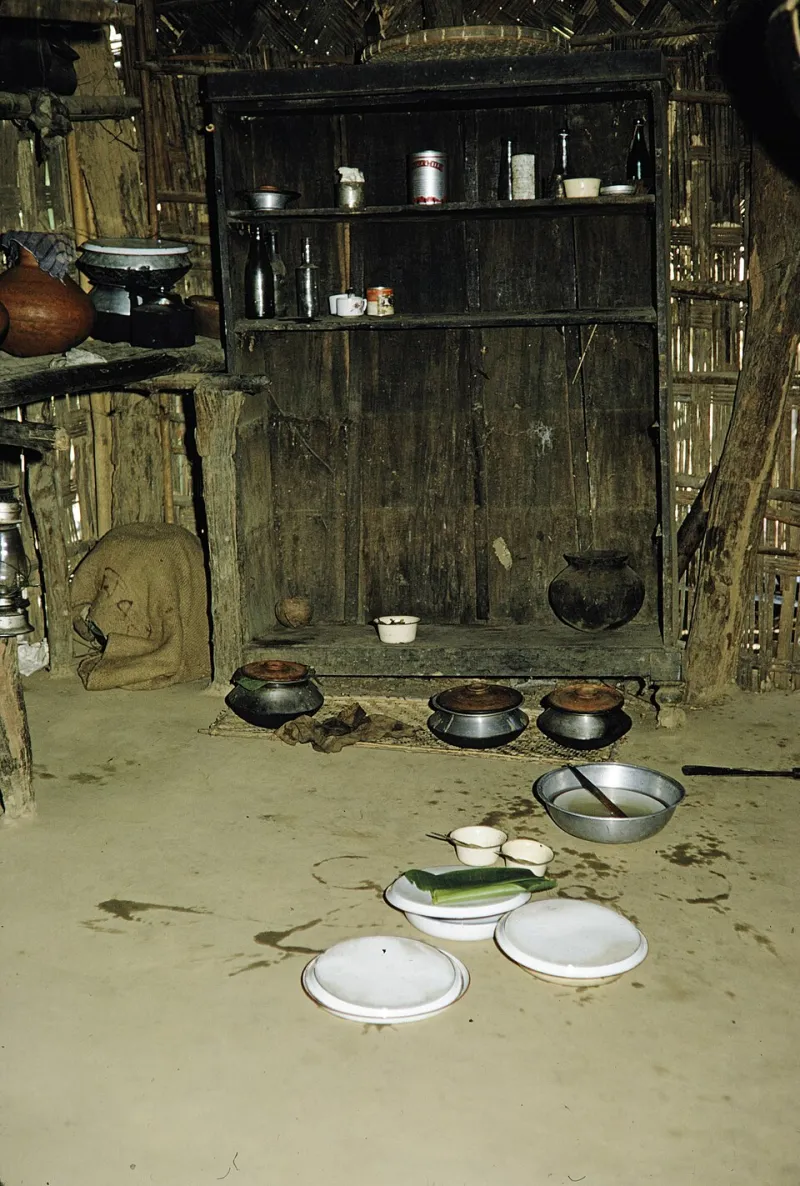
Faith at the Bedside: Hospital Food and Prayer for Bangladeshi Families
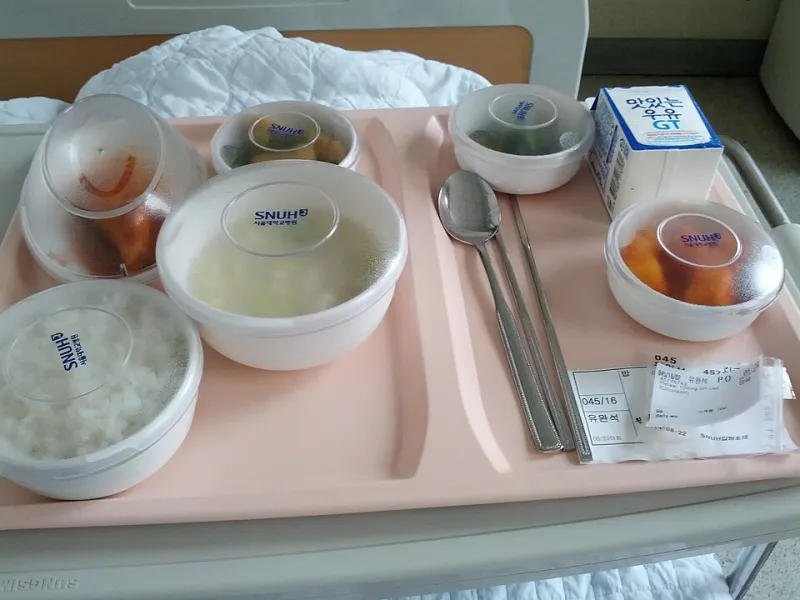
Photo: U2em, CC BY-SA 3.0, via Wikimedia Commons
Start with the admission conversation
When a relative is admitted to a U.S. hospital, the first hours are busy: insurance questions, medication lists, vital signs, and room assignments. Food and faith needs can easily get pushed aside. They should not be. In American hospitals, meals are usually coordinated by food and nutrition services, while nursing staff manage daily care and religious needs are often supported by chaplaincy or patient advocacy services. Asking early is not a demand; it is information the care team needs in order to provide safe, respectful care.
Choose one family member to be the main point of contact. If language is a barrier, ask for a qualified medical interpreter. Do not rely on a child for complex medical conversations unless the hospital has no interpreter and the matter is urgent. Write down the relative's religious and dietary needs in a small notebook, and ask that they be added to the chart.
Requesting halal or vegetarian meals
Halal is not simply 'no pork.' It includes how meat is slaughtered, whether alcohol or certain additives are present, and how food is prepared and stored. Hospital food service varies widely. Some hospitals have certified halal trays; others can offer vegetarian or vegan meals but cannot guarantee halal preparation. Both answers are useful, because they help the family plan.
Ask specifically:
- 'Does this hospital have halal meal options, and are they prepared and stored separately?'
- 'If halal meals are not available, what vegetarian options can you provide?'
- 'Can the dietitian note our religious food needs in the medical record?'
- 'May we bring food from home, and what food safety or diet rules should we follow?'
Do not bring food without checking first. A patient may be on a low-sodium, renal, diabetic, or fluid-restricted diet. Some patients are NPO, meaning nothing by mouth before a procedure. A well-meaning home meal can interfere with tests or treatment. If the hospital allows outside food, ask where it can be stored and labeled.
Fasting, fluids, and medication timing
Fasting needs should be raised before they become urgent. This applies to Ramadan, religious observances, and personal fasting. It also applies to surgery and tests that require an empty stomach. Tell the nurse and the treating clinician what the patient intends to do and why.
Useful questions include:
- 'My father plans to fast for Ramadan. How should we adjust his medication times?'
- 'Is it safe for her to fast with her current condition and medicines?'
- 'If fasting is not safe, what is the religious and medical guidance?'
For patients with diabetes, kidney disease, or heart failure, fasting can be dangerous without planning. A clinician should review medication timing, hydration, and monitoring. Families should not shame a relative into breaking a fast, but they also should not treat fasting as a private decision that the care team does not need to know about.
Prayer, privacy, and quiet space
Many U.S. hospitals have a chapel or multifaith room. Some have prayer rugs, quiet spaces, or a chaplain who can help arrange privacy. Ask the nurse what is available. Bedside prayer is often possible, but the family should avoid blocking equipment, curtains, or doorways.
Sample requests:
- 'My mother would like a quiet place to pray. Is there a chapel or multifaith room?'
- 'Could we have a few minutes of privacy during prayer, when it does not interfere with care?'
- 'Is there a Muslim chaplain or community volunteer who visits patients?'
If a nurse is due to check vitals or give medication during prayer, ask whether the task can wait a few minutes. Most staff will try to accommodate reasonable requests. If a request is refused, ask to speak with the charge nurse or patient advocate rather than arguing at the bedside.
A bedside checklist for Bangladeshi families
- Name one family spokesperson and share the phone number with the nurse.
- Ask for a Bangla interpreter for discharge instructions and consent discussions.
- Ask that halal, vegetarian, fasting, and prayer needs be noted in the chart.
- Check whether outside food is allowed and whether diet restrictions apply.
- Keep a written list of medicines, allergies, and the patient's usual doctors.
- Ask the dietitian to explain any special diet before discharge.
- Ask the case manager or social worker about equipment, transport, and follow-up appointments.
- Before leaving, confirm the discharge medication list and who will manage each medicine.
Supporting the relative without feeling like a burden
Families often worry that requests about food and prayer will annoy staff. In practice, clear requests help the hospital do its job. The key is to be specific, polite, and persistent. Say what the patient needs, ask who can help, and write down the answer. If a request cannot be met, ask what alternative is available.
MedicoPlus BD encourages families to treat food and faith as part of care, not as extra demands. A patient who feels respected is more likely to cooperate with treatment, eat properly, and speak up about concerns. That is better for everyone in the room.