Beyond the Bright Yellow: A Bangladeshi Kitchen’s Guide to Lead in Turmeric and Imported Spices
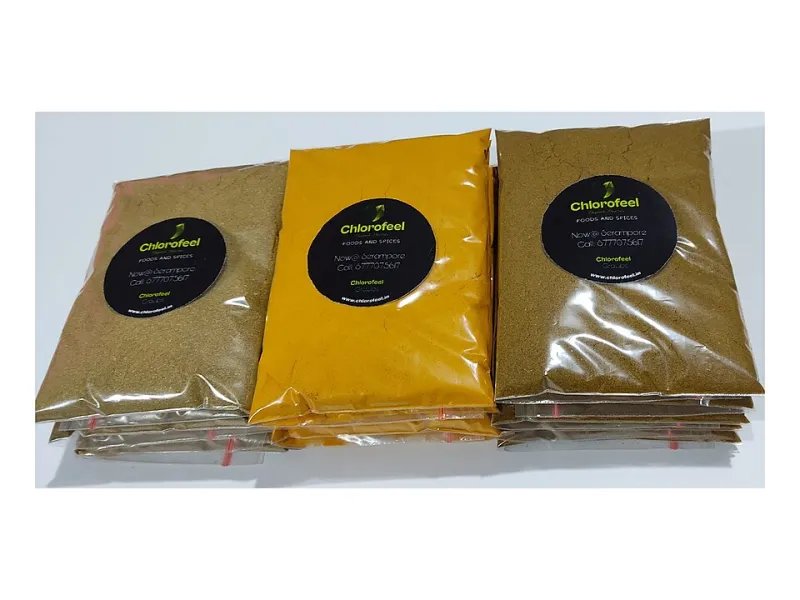
Photo: Businesses247, CC BY-SA 4.0, via Wikimedia Commons
Turmeric is not a trend in Bangladeshi kitchens. It is part of everyday cooking, family remedies, and the color of familiar dishes. That is why news about lead in imported spices can feel personal and unsettling. The right response is neither panic nor dismissal. It is a careful look at where risk comes from, how to reduce exposure, and how to keep the foods families value while shopping more wisely in the United States.
Lead is a heavy metal that can harm the developing brain and nervous system. Federal and state food safety agencies have found lead in some imported turmeric and spice products, often because of adulteration or contamination during production and distribution. Not every imported spice is affected, and a bright color alone is not proof. Still, because spices are used in small amounts over many years, small avoidable exposures are worth taking seriously.
Why a spice issue matters for Bangladeshi families
Children are more vulnerable because their bodies absorb lead more readily and their brains are still developing. Pregnancy is another sensitive period, since lead can cross the placenta. Adults can also be affected; chronic exposure is linked to kidney problems and elevated blood pressure. There is no known safe blood lead level in children, which is why public health agencies focus on prevention rather than waiting for symptoms.
Turmeric is not the only possible source of lead in a household. Imported chili powder, paprika, cumin, coriander, garam masala, curry blends, food colors, certain candies, and some traditional cosmetics or ceremonial powders have also raised concerns. Imported ceramic ware with lead-based glaze can release lead into acidic foods. A family does not need to eliminate traditional cooking, but it should reduce obvious and avoidable sources.
What is known, and what is not
Investigations in the United States and South Asia have documented lead chromate adulteration in some turmeric supplies, sometimes used to make powder look brighter. The U.S. Food and Drug Administration has issued import alerts for some turmeric shipments, and state health departments have occasionally advised consumers about specific products. These actions show that oversight exists, but they do not mean that every brand or every bag is contaminated.
Testing is limited. A label that says organic does not automatically mean lead-free. A very intense, unnatural yellow-orange color is a reason to pause, but color alone cannot settle the question. The practical approach is to buy from sources with clear labeling and accountability, diversify brands, and avoid unknown bulk powders sold without a brand, lot number, or importer.
Read the label like a careful shopper
Look for a sealed package with a brand name, country of origin, importer or distributor, lot code, and expiration date. A U.S. business address or importer name gives you someone to contact if there is a problem. Prefer established grocery stores, South Asian markets with transparent sourcing, and reputable online retailers over unlabeled bags from informal social media sellers. If a powder comes in a plain plastic bag with no English labeling, treat it as an unknown.
Whole turmeric root is less likely to be adulterated than ground powder, though it is not automatically risk-free. Grinding small amounts at home is an option for families who cook often. Buy smaller quantities that you can use within a reasonable time, and store spices in airtight containers away from heat and sunlight. Do not transfer unknown spices into unlabeled jars where their source and date are lost.
Choose safer sources without abandoning tradition
Ask the store manager whether the supplier provides heavy metal testing or certificates of analysis. Not every certificate is equally meaningful, but a supplier that can answer basic questions is preferable to one that cannot. Rotate brands rather than using the same large sack for years. Avoid buying very large quantities simply because they are cheaper; long storage does not remove lead. If you use food color for special dishes, buy a clearly labeled food-grade product and use it sparingly. Never use ceremonial powders, sindoor, or kohl as food ingredients.
Washing spices does not reliably remove lead, and neither does cooking. Taste and smell are not useful tests. The safer strategy is source control: buy from accountable sellers, avoid unnaturally bright or unlabeled powders, and keep portions moderate. Turmeric remains a culturally important ingredient; the aim is to reduce avoidable contamination, not to shame the diet.
Other pantry and household checks
Review imported pantry staples beyond turmeric. Spices bought in bulk, brightly colored sweets, and some imported candies have been part of lead investigations in the United States. Check for recalls and state health advisories. Avoid storing acidic foods such as tomato, vinegar, or lemon in imported ceramic pots unless the seller confirms the glaze is lead-safe. Keep spices and traditional powders out of children's reach, and wash hands after handling them.
When to ask about blood lead testing
A blood lead test is simple and can be done at a pediatrician's office or clinic. Ask about testing if a child is under age 6 and has risk factors such as recent immigration or refugee resettlement, frequent use of imported spices or foods from areas with known contamination, a family member with elevated lead, pica behavior, or living in older housing with peeling paint. Pregnant women with similar exposures should also discuss testing with their clinician.
Do not wait for symptoms. Lead exposure often has no obvious signs. If a test shows an elevated level, the clinician can advise on removing the source, supporting nutrition with adequate iron and calcium, and scheduling follow-up. Public health departments can sometimes help identify household sources. A calm conversation with a pediatrician is better than a frantic purge of the kitchen.
A balanced way forward
Bangladeshi families in the U.S. can keep turmeric on the shelf and still shop with more confidence. Buy from sellers who label products clearly, avoid neon-bright unknown powders, rotate brands, and ask the pediatrician about testing when risk factors are present. These steps are modest, but they turn a worrying headline into a manageable household practice.